Rice
Risotto
Twenty minutes of stirring, hot stock added a ladle at a time, and a finish that has to be done off the heat.
3 min read6 recipes practise it
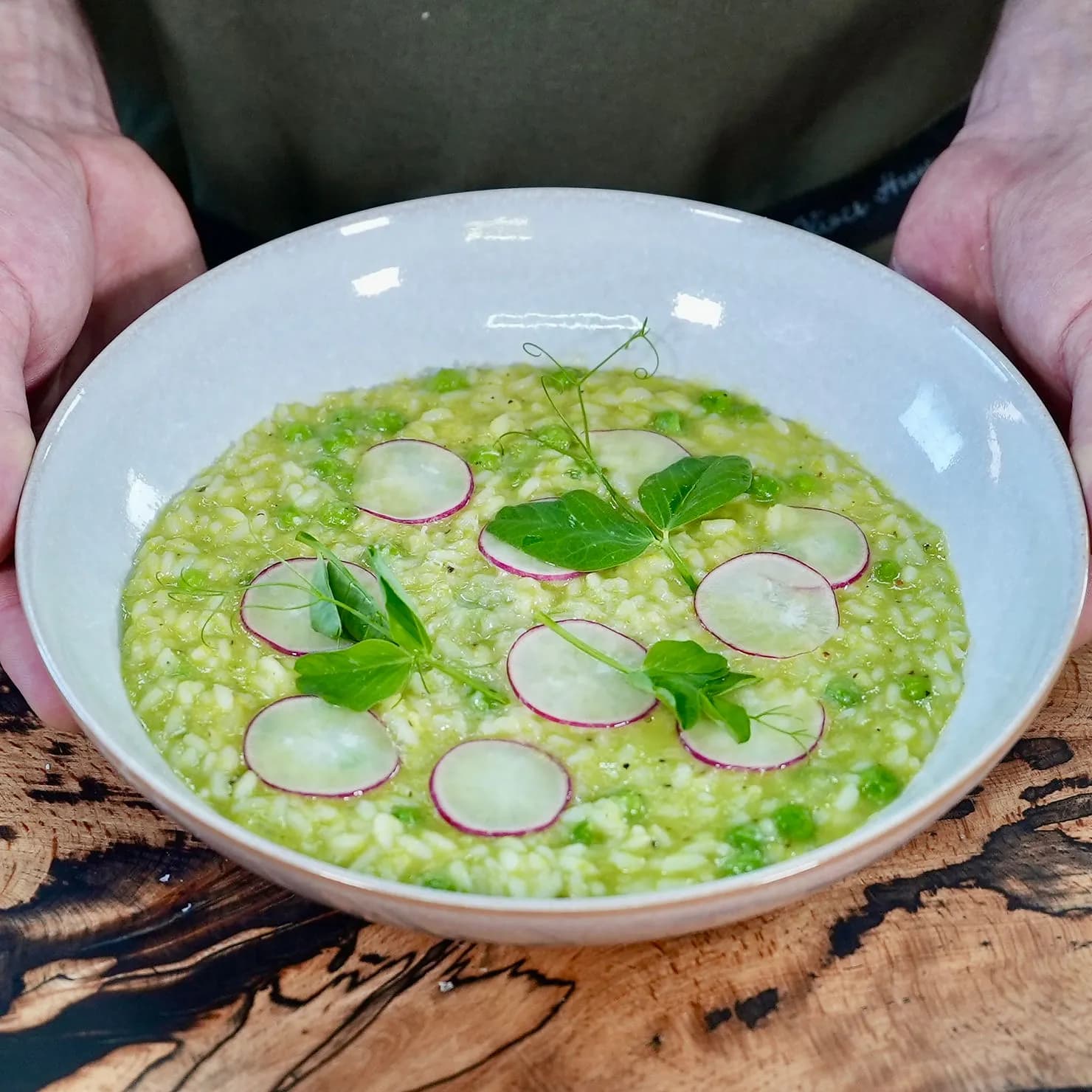
Risotto has a reputation for being fussy, which comes from one true fact and one myth. The true fact is that it wants your attention for about 20 minutes. The myth is that it needs constant, unbroken stirring. Regular stirring is enough.
The rice does the work. Arborio and carnaroli are short, round grains with a high proportion of surface starch, and it is that starch, rubbed off by stirring and dissolved into the stock, that makes a risotto creamy. Long grain and basmati cannot do it. This is also why you never rinse risotto rice: rinsing washes away the exact thing you are trying to release.
Start with a soffritto of finely chopped onion or shallot softened gently in butter or oil. Gently is the word. You want it translucent and sweet, not coloured, because browned onion changes the flavour of the finished dish and the point of a risotto is that the rice tastes of the stock.
Then toast the rice for a minute or two until the grains look slightly glassy at the edges. This step is easy to skip and worth doing: it firms the outside of each grain so it holds its shape through 20 minutes of stirring instead of collapsing.
A glass of wine goes in next and is allowed to bubble away almost completely. Then the stock, one ladle at a time, kept hot in a pan alongside. Cold stock stops the cooking every time you add it and drags the whole thing out. Add a ladle, stir until it has almost gone, add the next. What you are doing with each addition is agitating the grains against each other, which is where the starch comes from.
After about 18 minutes start tasting rather than watching the clock, because rice varies and so do pans. It should be tender with the faintest firmness at the centre of the grain. Overcooked risotto turns to porridge and cannot be recovered, so stop slightly early. The consistency should be loose enough to spread slowly when you tip the pan, not to sit in a mound. If it looks too thick, another ladle of stock; if it looks soupy, another minute of stirring.
The last step is the one that makes it. Take the pan off the heat, beat in cold butter and grated parmesan, cover it and leave it for 2 minutes. Italian cooks call this the mantecatura, and it emulsifies the fat into the starch. Doing it off the heat matters, because on the heat the cheese splits into strings and the butter separates into oil.
Season at the end, not before. Stock and parmesan are both salty and reducing the liquid concentrates them, so a risotto seasoned at the start is usually a risotto that is oversalted at the finish.
Serve it straight away, in warm bowls. Risotto sets as it cools, and although it will not be at its best, leftovers have their own reward: chilled overnight, rolled around a piece of mozzarella and fried, they become arancini.
Step by step
Step 1: Soften the onion without colouring it
Finely chopped, gently, in butter or oil until translucent. Browning changes the flavour of the whole dish.
Step 2: Toast the rice
One to 2 minutes until the grains look glassy at the edges. It firms the outside of each grain so it survives the stirring.
Step 3: Add hot stock a ladle at a time
Keep the stock hot in a pan alongside. Add, stir until almost absorbed, add again. Cold stock stalls the cooking every time.
Step 4: Taste from 18 minutes
Tender with the faintest firmness in the centre. Stop slightly early: overcooked risotto cannot be brought back.
Step 5: Finish off the heat
Off the hob, beat in cold butter and parmesan, cover and rest for 2 minutes. On the heat the cheese strings and the butter splits.
Put it to work
Recipes that practise it
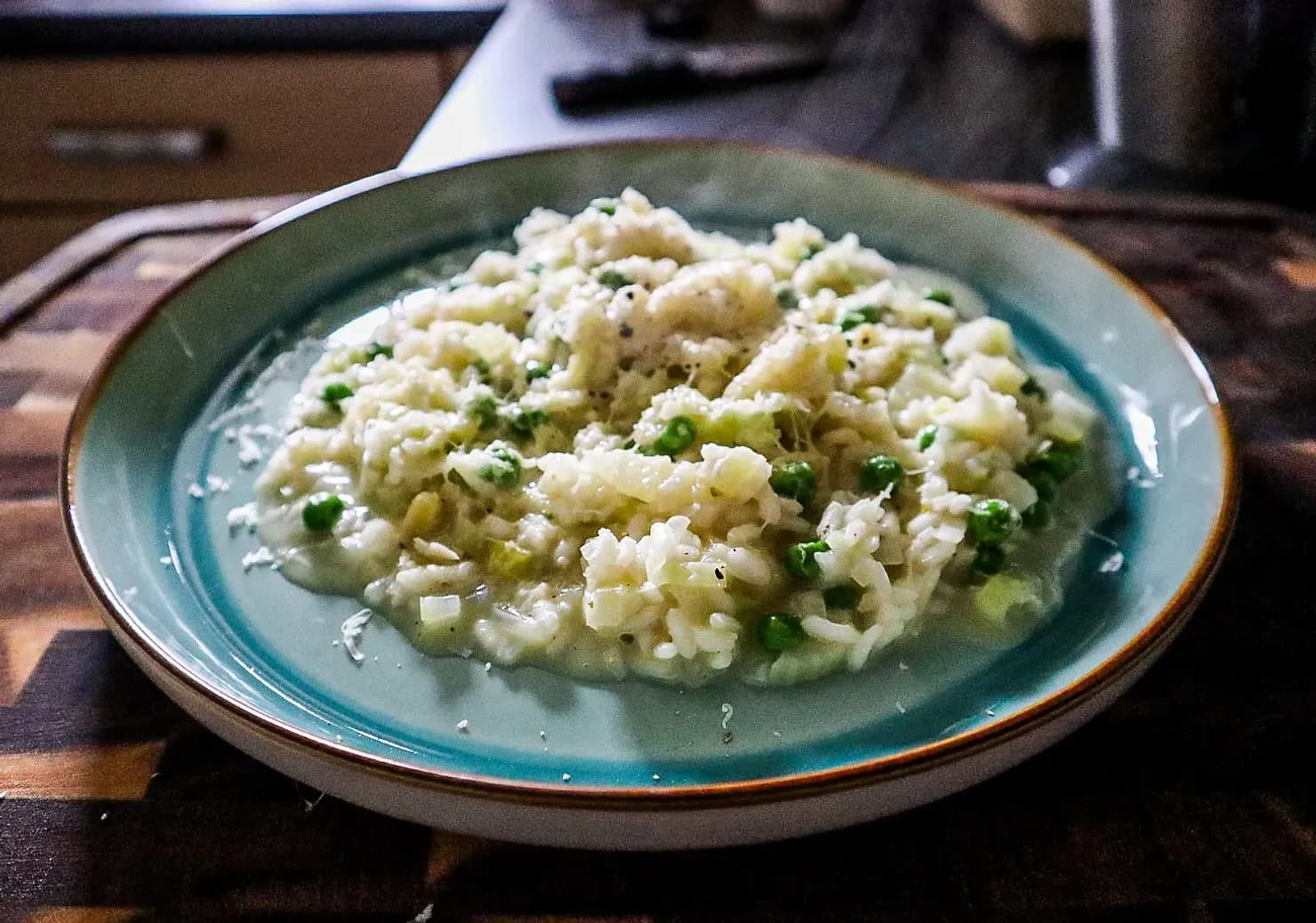
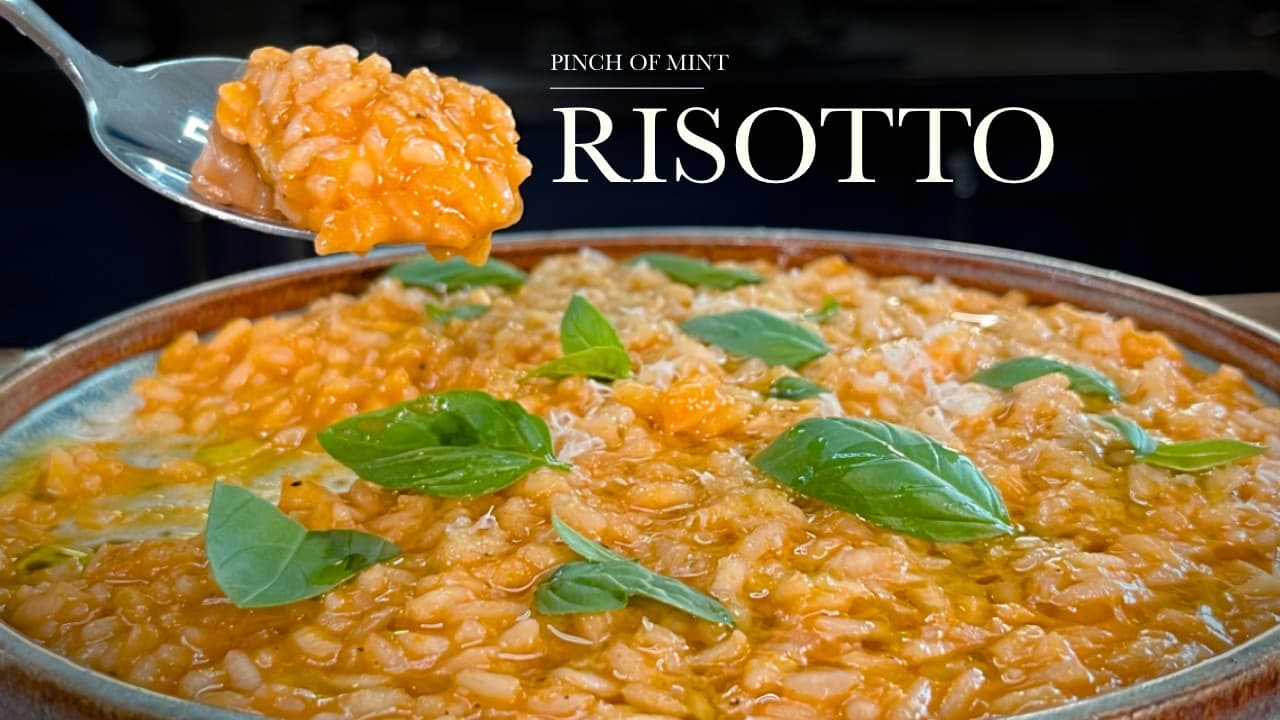
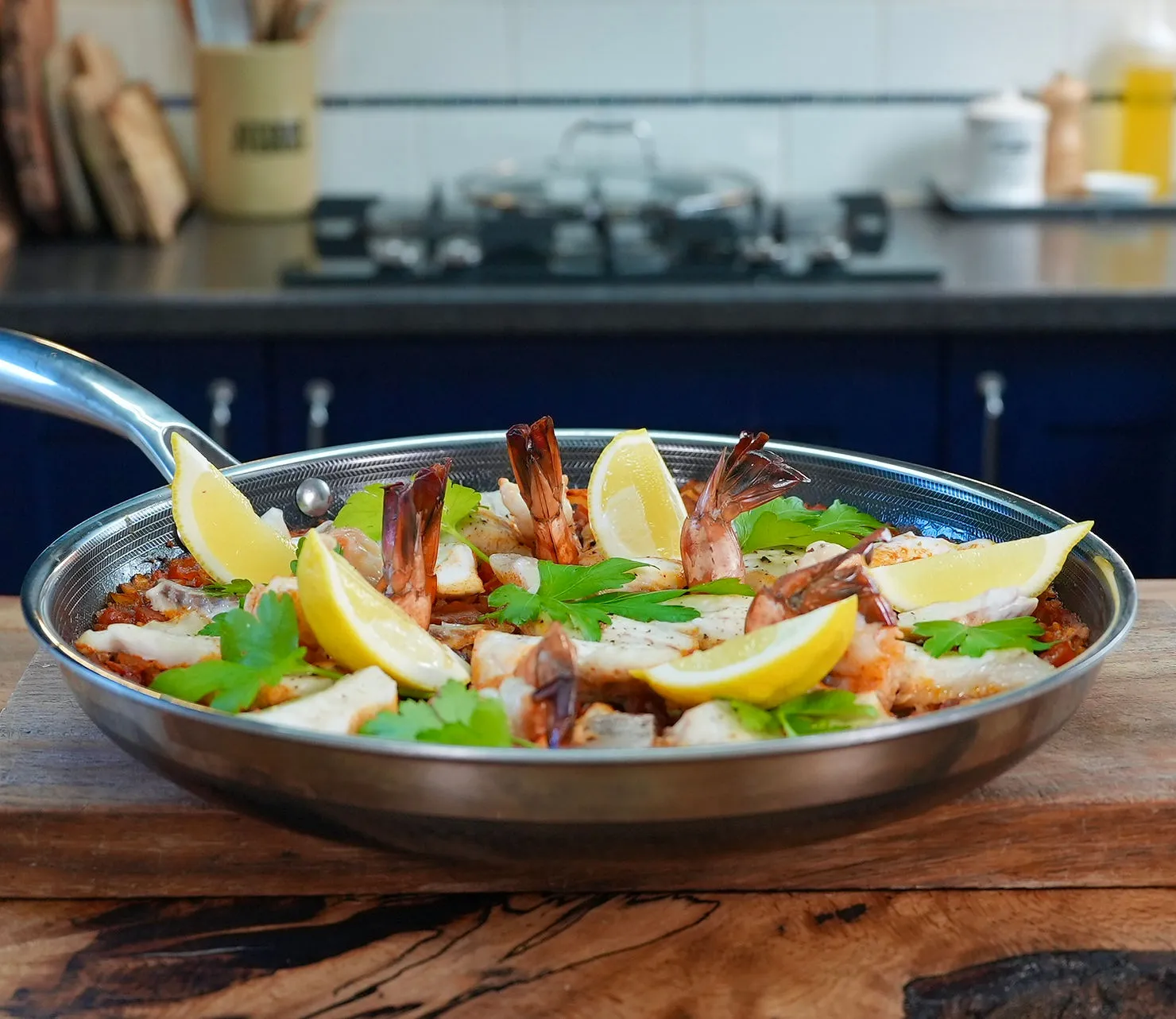
The fastest way to learn a technique is to cook something that needs it. These all do.


Stay in the loop
Get new recipes in your inbox
Occasional emails with new recipes, cooking tips and what’s new at Pinch of Mint.
See our Privacy Policy for information about how your personal data is used.