Stock and sauces
Stock, and the gravy that comes from it
Bones, scraps and time. Stock is the cheapest ingredient in the kitchen and it improves everything you use it in.
3 min read6 recipes practise it
Stock is what you get for free from things you were going to throw away, and it is the difference between a soup that tastes of vegetables and one that tastes of dinner. A stock cube is a seasoning; a real stock is a body. Both have their place, but only one of them turns a tray of roasting residue into proper gravy.
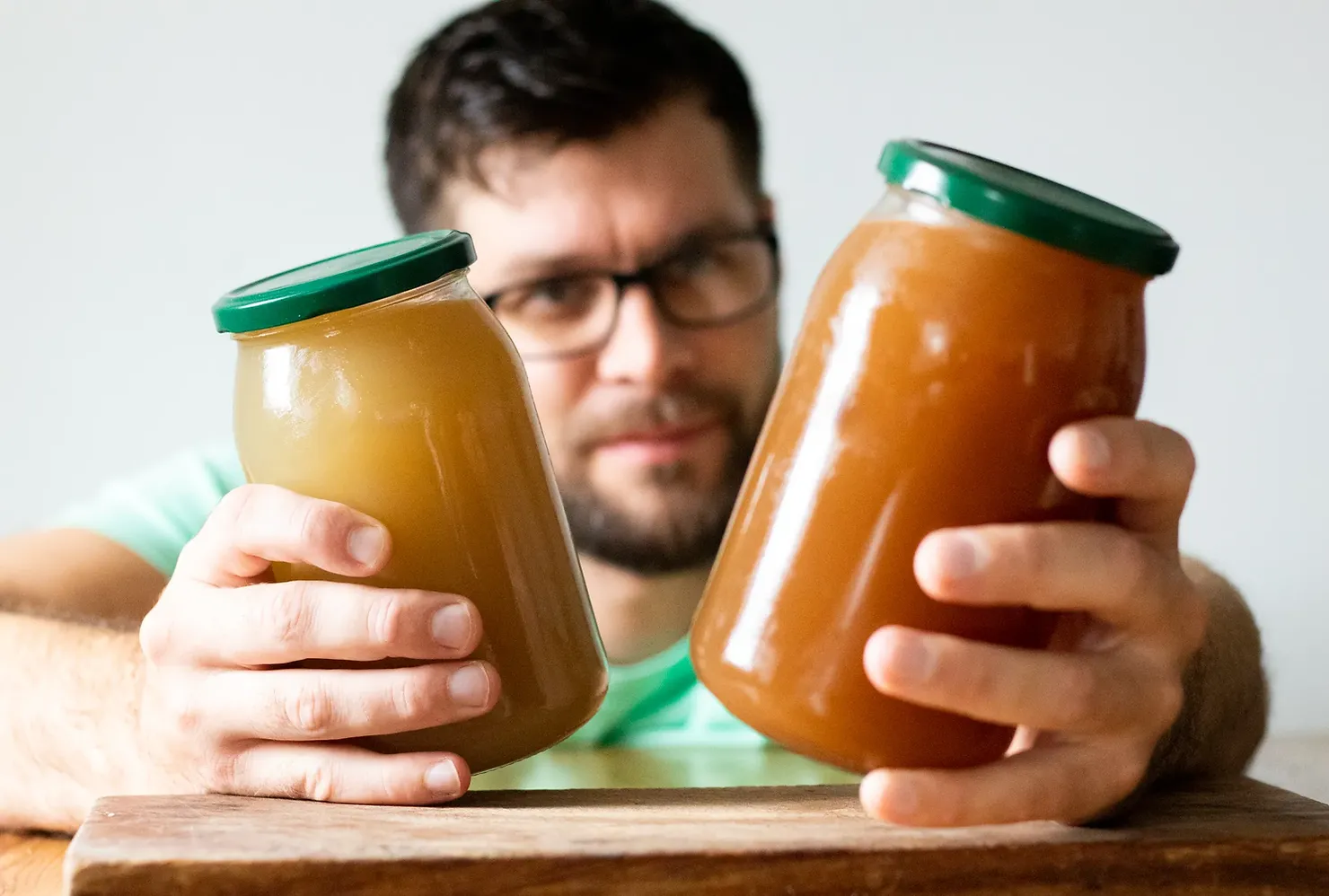
There are two kinds and they are the same process with one step different. For a light stock, the bones go into the pot raw, and you get something pale, clean and delicate that suits soups, risotto and poaching. For a dark stock, the bones and vegetables are roasted first until deeply coloured, and you get something browner and rounder that suits gravy and braises.
Start with a chicken carcass, or two, or whatever you have saved in the freezer. Cover with cold water, not hot: starting cold draws more out of the bones and gives a clearer result. Add a roughly chopped onion, carrot and stick of celery, a bay leaf, a few peppercorns and a parsley stalk or two. That is it. Do not salt it, because you will reduce it later and any salt you add now will concentrate.
Bring it to the gentlest possible simmer and hold it there, uncovered, for 3 to 4 hours for chicken and 6 or more for beef. Never let it boil. A boil emulsifies the fat back into the liquid and turns a clear stock cloudy and slightly greasy, and once that happens you cannot undo it. Skim the grey foam off the top in the first 20 minutes and then leave it alone.
Strain it through a fine sieve, and if you want it clearer, do not press the solids. Cool it quickly, then chill it. Good stock sets to a wobble in the fridge, which is the gelatine from the bones and the reason it gives sauces body. The fat rises and sets on top; lift it off and keep it for roast potatoes. It keeps 3 days in the fridge and 3 months frozen. An ice cube tray of frozen stock is worth more on a Tuesday night than most things in the cupboard.
Gravy is stock plus the residue in a roasting tin. Once the meat is out and resting, tip off most of the fat, leaving the brown sticky bits and roughly a tablespoon of fat behind. Put the tin over a low flame, stir in a tablespoon of plain flour and cook it for a minute or two so it does not taste raw. Then add stock a splash at a time, scraping the base of the tin and stirring out the lumps before you add more. Adding all the liquid at once is how gravy goes lumpy; adding it gradually is how it does not.
Simmer for 5 minutes to thicken, then taste. It usually wants salt and often wants something sharp: a splash of wine, a spoonful of redcurrant jelly, a little mustard. Pour in whatever juices came out of the meat while it rested. Strain it if you want it smooth.
If it goes lumpy anyway, push it through a sieve. Nobody will know.
Step by step
Step 1: Choose light or dark
Raw bones for a clean, pale stock. Roasted bones and vegetables for a darker one that suits gravy and braises.
Step 2: Start in cold water, never salt it
Cold water draws more from the bones. Salt now becomes too much salt later, once the stock has reduced.
Step 3: Hold it below a simmer
Three to 4 hours for chicken, 6 or more for beef, uncovered, with barely a bubble. A boil turns it cloudy and greasy for good.
Step 4: Strain, chill, lift off the fat
Good stock sets to a wobble in the fridge. Keep the fat for roast potatoes. Freeze what you will not use within 3 days.
Step 5: Turn the roasting tin into gravy
Tip off the fat, keep the brown residue, stir in flour, cook it out, then add stock gradually and scrape. Gradually is what stops lumps.
Put it to work
Recipes that practise it
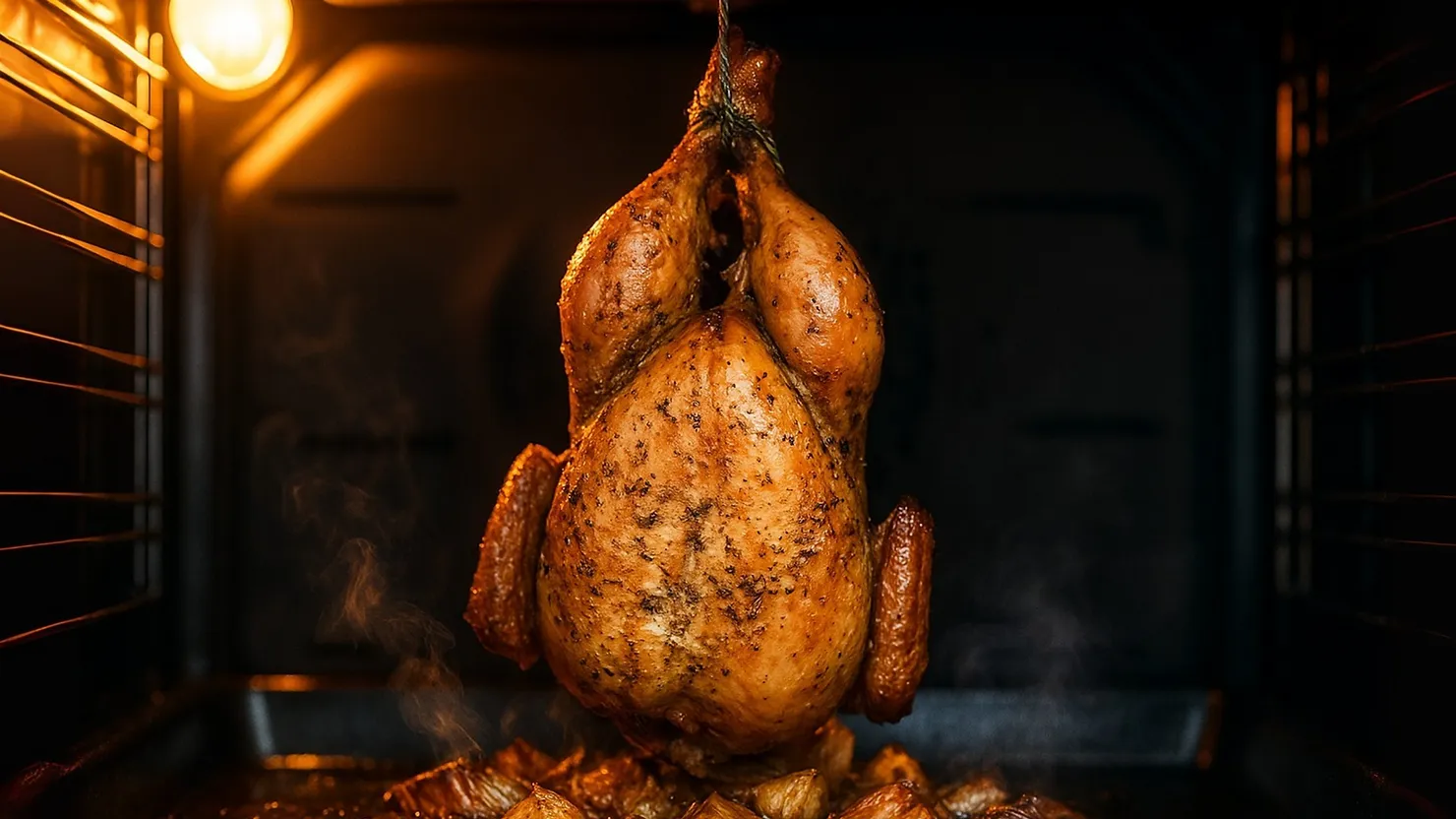
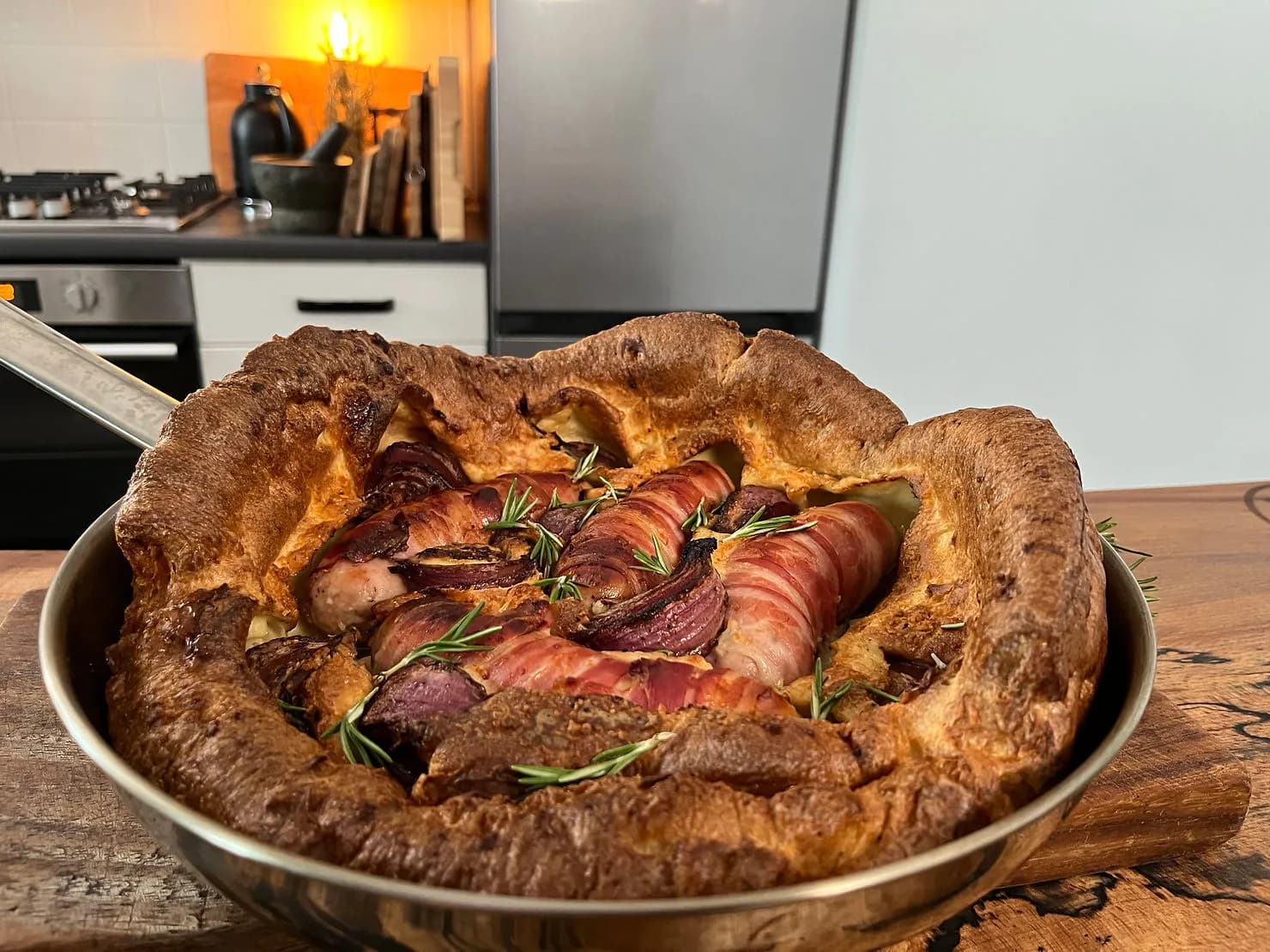
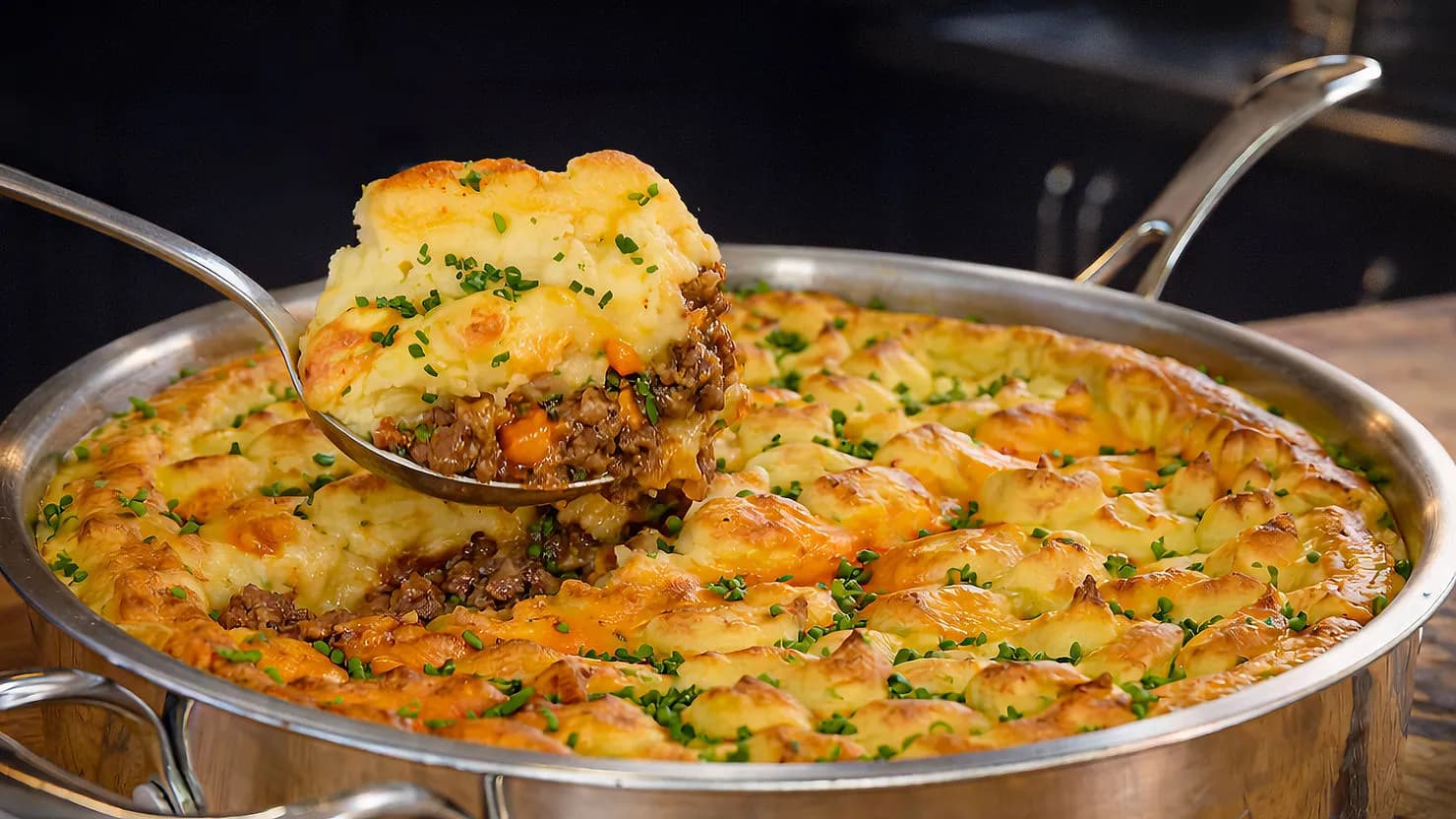
The fastest way to learn a technique is to cook something that needs it. These all do.


Stay in the loop
Get new recipes in your inbox
Occasional emails with new recipes, cooking tips and what’s new at Pinch of Mint.
See our Privacy Policy for information about how your personal data is used.