Heat
Browning and searing
Colour is flavour. Getting it needs a dry surface, a hot pan and the patience to leave things alone.
3 min read6 recipes practise it
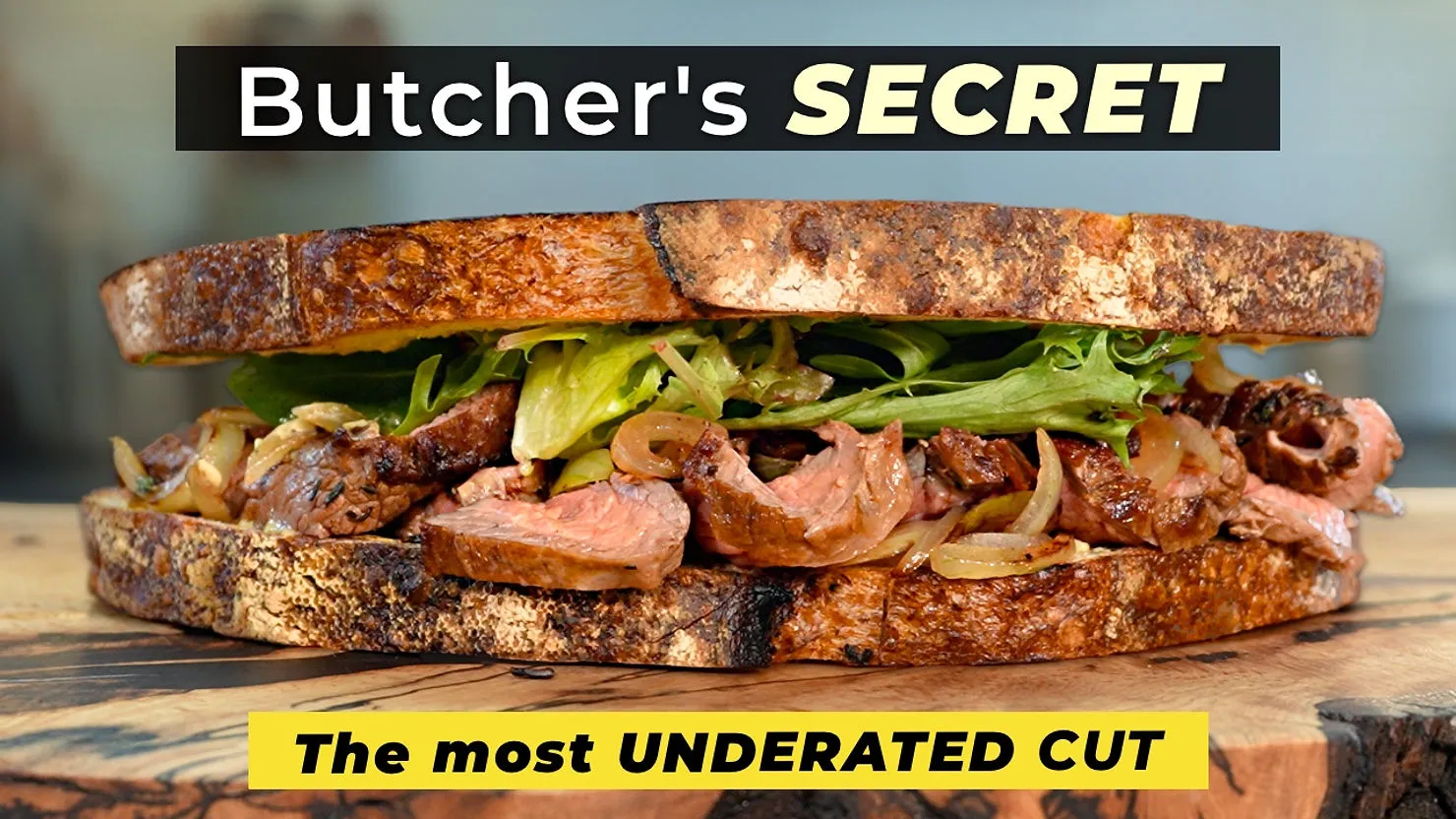
The brown crust on a steak, the dark edges on roast potatoes and the colour on a piece of chicken skin are all the same reaction, and it is where a surprising amount of a dish's flavour comes from. It happens when the surface of food gets hot and dry enough, somewhere above 140°C. Below that, food steams instead, which is why a pan that is not hot enough gives you grey meat sitting in its own liquid.
Three things stop browning, and all three are easy to fix.
The first is moisture. Water has to boil off before the surface can get hot enough to colour, so anything wet browns late or not at all. Pat meat dry with kitchen paper before it goes near the pan. Salting meat 30 minutes ahead, or the night before if you have the fridge space, draws moisture out and then lets it reabsorb, which leaves you a drier surface and better-seasoned meat at the same time.
The second is crowding. Every piece you put in a pan cools it and releases steam. Fill the pan and the temperature drops below the point where browning happens, and the steam has nowhere to go. Cook in two batches instead. It feels slower and it is faster, because a crowded pan can sit there for 15 minutes without ever colouring.
The third is impatience. Food sticks when it first hits hot metal and releases itself once a crust has formed. If you try to move it and it resists, it is not ready. Leave it another 30 seconds and try again. Almost every torn piece of chicken skin and every steak that leaves half of itself in the pan comes from lifting too early.
So: hot pan, thin film of oil with a high smoke point, food dry, in one layer, then leave it. You want to hear a definite sizzle when it goes in. Silence means the pan is not ready; violent spitting and smoke mean it is too hot and the oil is burning.
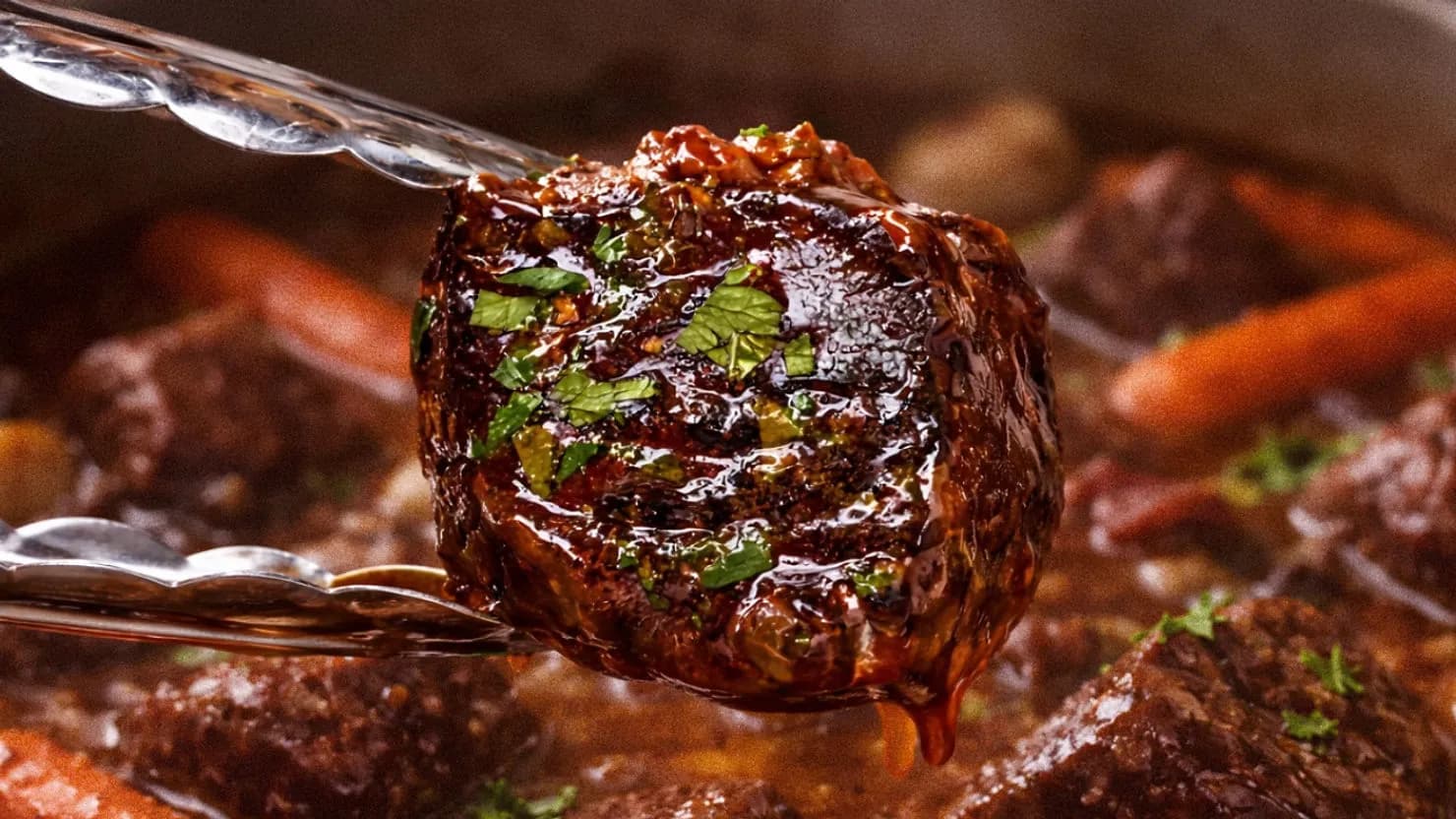
Once the food is out, look at what is stuck to the bottom of the pan. Those brown patches are pure flavour and they dissolve in liquid. Pour in a splash of wine, stock, water or even the tin of tomatoes the recipe calls for, and scrape it with a wooden spoon while it bubbles. That is deglazing, and it is the start of nearly every good pan sauce and every braise on this site.
A few things are worth knowing. Non-stick pans are not built for this: they rarely get hot enough and the coating does not like it. Stainless steel or cast iron browns better. Butter burns at a lower temperature than oil, so if you want the flavour of butter, start in oil and add butter near the end. And browning is not sealing. It does not lock in juices, whatever you have heard. It is worth doing purely because it tastes better, which is reason enough.
If your first attempt comes out paler than you hoped, the dish is not ruined. It will taste a little less deep and nobody at the table will identify why. Turn the heat up sooner next time.
Step by step
Step 1: Dry the surface
Pat meat dry with kitchen paper. Salt it 30 minutes ahead if you can, which dries the surface further and seasons it at the same time.
Step 2: Get the pan properly hot
Heat the dry pan first, then add a thin film of oil. It should shimmer, not smoke. Food going in should sizzle immediately.
Step 3: One layer, in batches
Leave a finger's width around each piece. A crowded pan drops below browning temperature and steams instead.
Step 4: Leave it alone
Food releases itself from the pan when a crust has formed. If it resists when you try to lift it, give it another 30 seconds.
Step 5: Deglaze the pan
Pour a splash of liquid into the empty hot pan and scrape up the brown patches. That is the base of the sauce, and it should not go down the sink.
Put it to work
Recipes that practise it
The fastest way to learn a technique is to cook something that needs it. These all do.
Stay in the loop
Get new recipes in your inbox
Occasional emails with new recipes, cooking tips and what’s new at Pinch of Mint.
See our Privacy Policy for information about how your personal data is used.