Eggs
Cooking eggs
Almost everything eggs do well, they do at a lower temperature than you would expect.
3 min read6 recipes practise it
Eggs are the cheapest way to learn heat control, because they show you what the heat is doing while it is doing it. Egg white sets at around 62°C and yolk at around 68°C, both well below boiling. Nearly every disappointing egg is an egg that was cooked too fast.
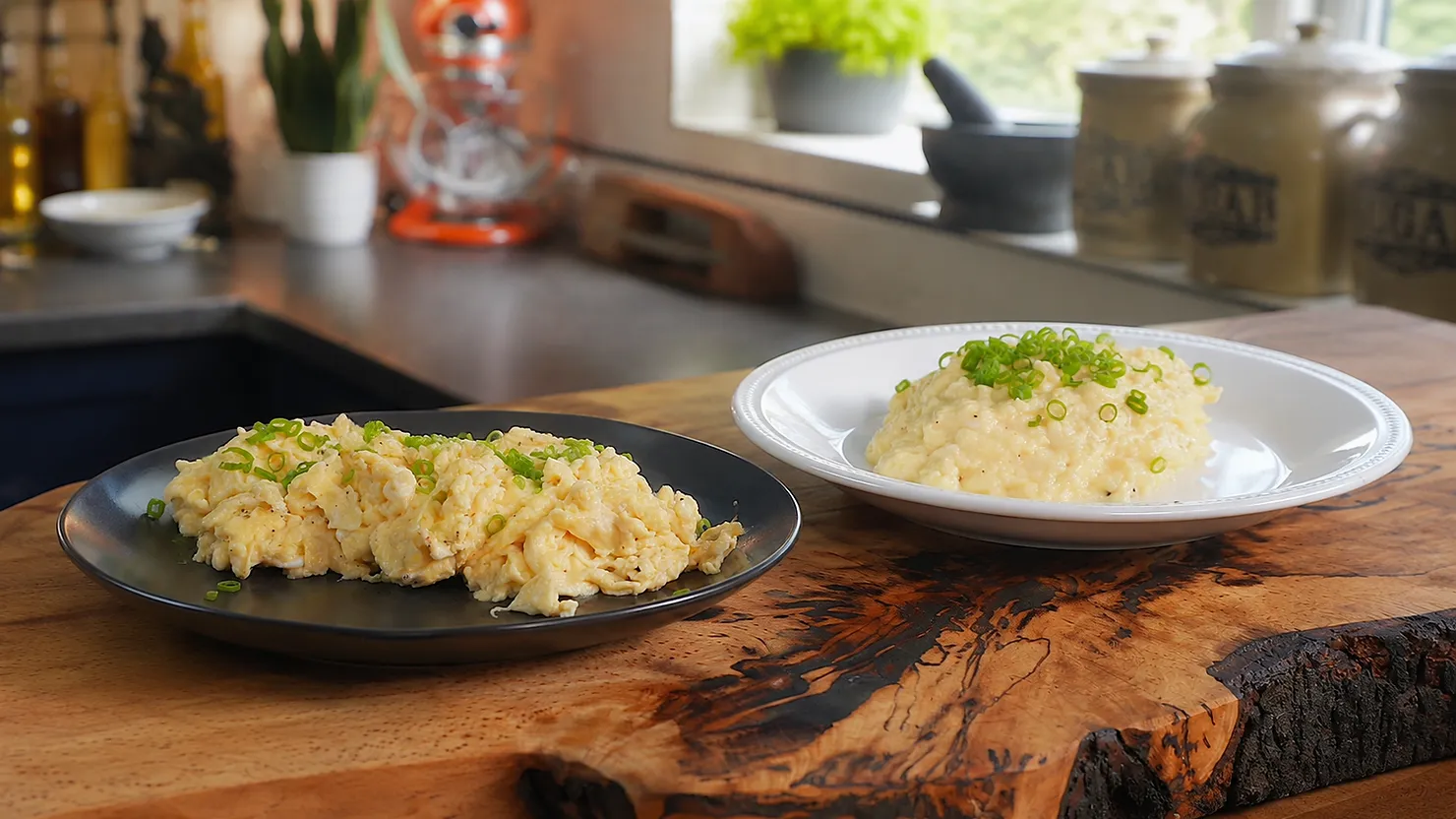
Scrambled eggs are the clearest example. Low heat, a knob of butter, and constant gentle movement gives you soft curds that stay creamy. High heat gives you firm lumps sitting in a puddle of water squeezed out of them. Take the pan off the heat while the eggs still look slightly underdone, because the residual heat in the pan carries on cooking them for another 20 seconds. Season at the end rather than the start.
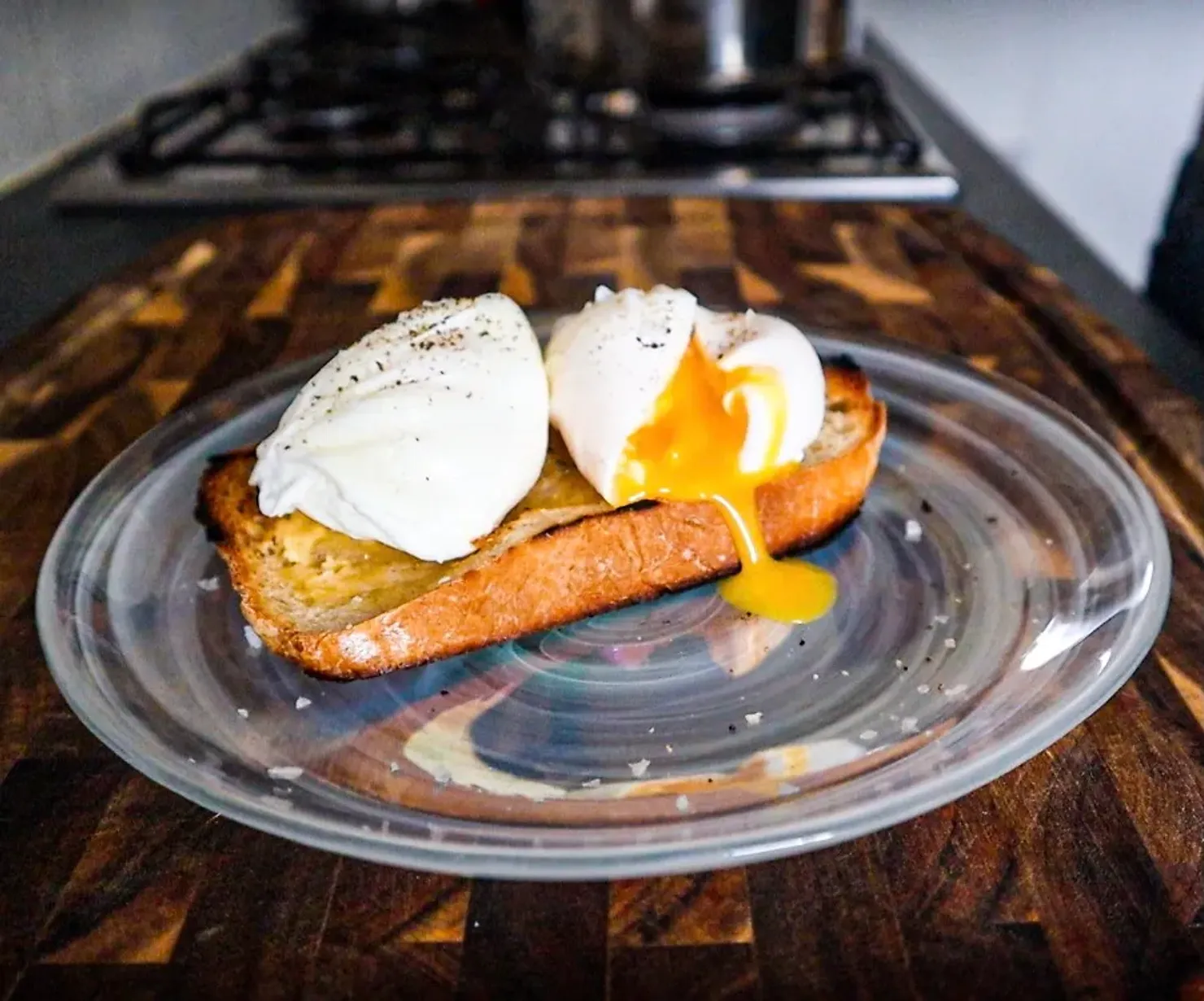
Poaching frightens people more than it should. Use the freshest eggs you can, because the white of a fresh egg holds together and the white of an old one spreads into rags. Water at a bare tremble rather than a boil, a splash of vinegar to help the white set, and crack the egg into a cup first so you can slide it in gently. A gentle swirl of the water before it goes in wraps the white around the yolk. Three minutes gives a set white and a runny yolk. Lift it out with a slotted spoon and rest it on kitchen paper for a moment, or the water follows it onto the plate. If the first one comes out ragged, it is the egg's age, not you.
Boiled eggs are a matter of timing from the moment they go into already-simmering water: 6 minutes for a runny yolk, 8 for jammy, 10 for hard. Straight into cold water afterwards stops the cooking and makes them easier to peel.
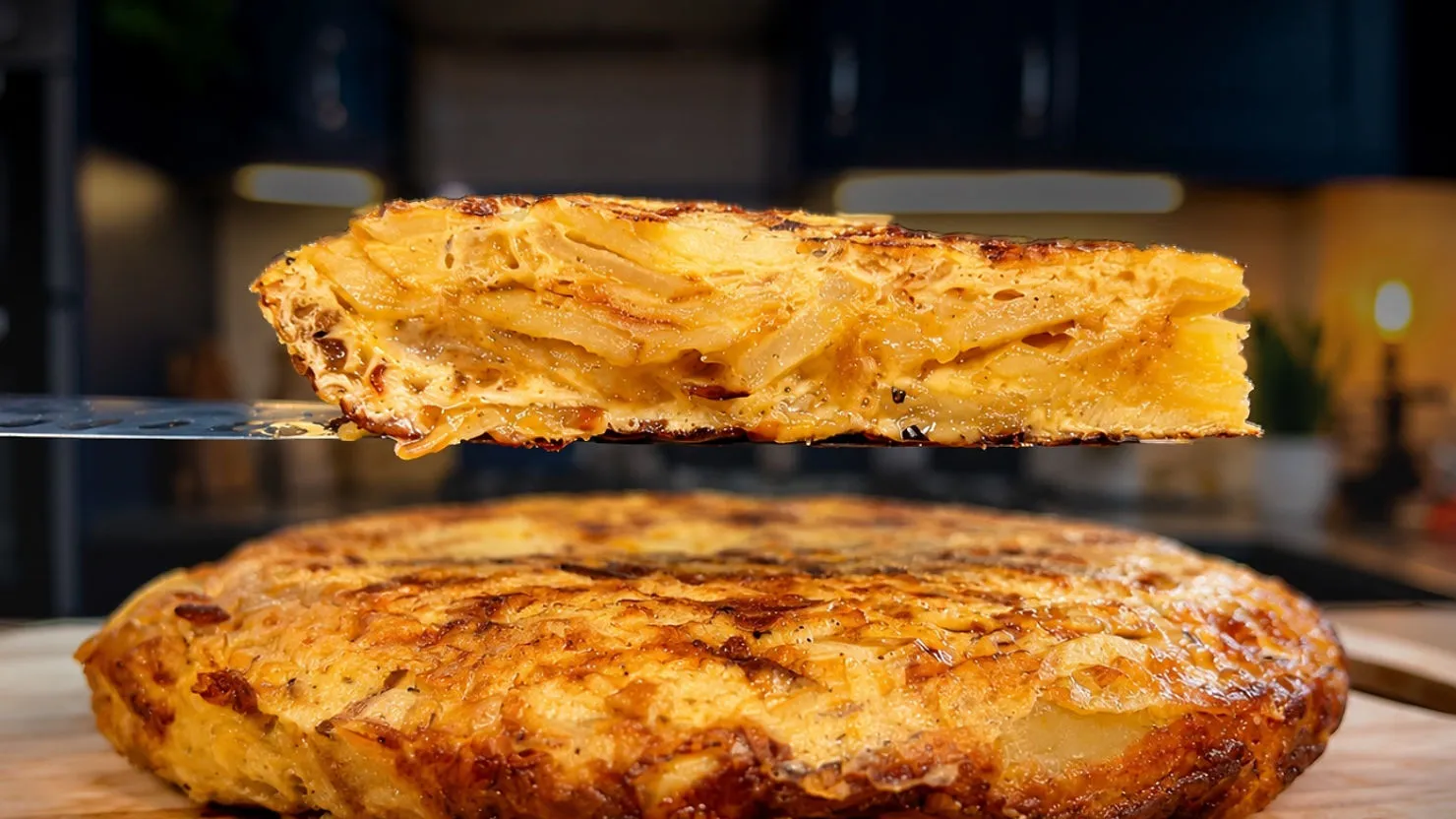
Omelettes and tortillas are the same idea at different speeds. A French omelette is fast and barely coloured; a Spanish tortilla is slow, gentle and set all the way through. Both want the pan properly warm before the eggs go in and neither wants a fierce heat.
When eggs are used to set something else, custards and quiches among them, the danger is the same at a larger scale. Heat them too fast and the proteins tighten and squeeze out liquid, which is why a curdled custard looks grainy and a split quiche weeps. Low oven, or a bain-marie, which is a tin of hot water around the dish that keeps the temperature gentle and even. If a custard on the hob starts to look grainy, take it off the heat immediately and whisk hard; you can usually bring it back.
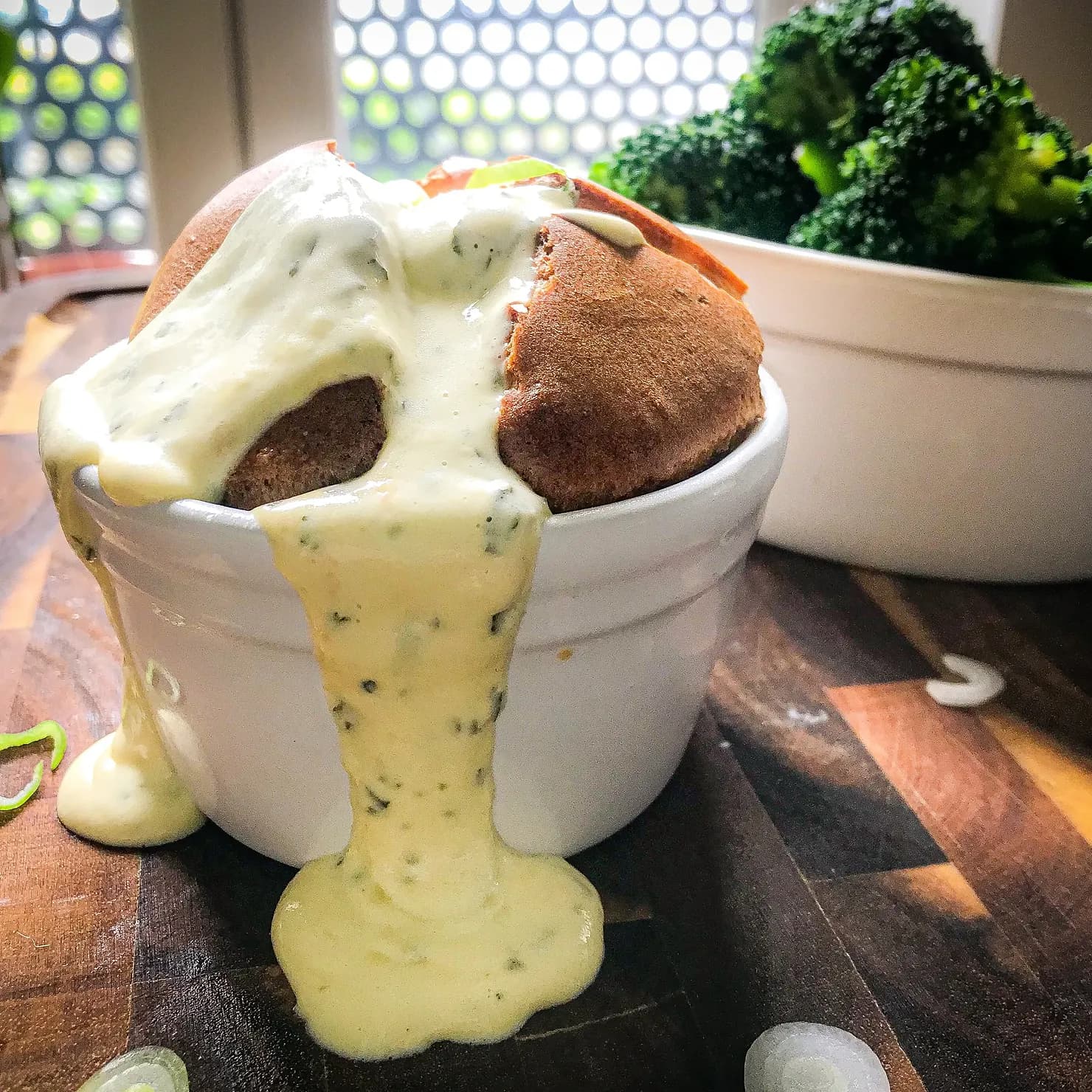
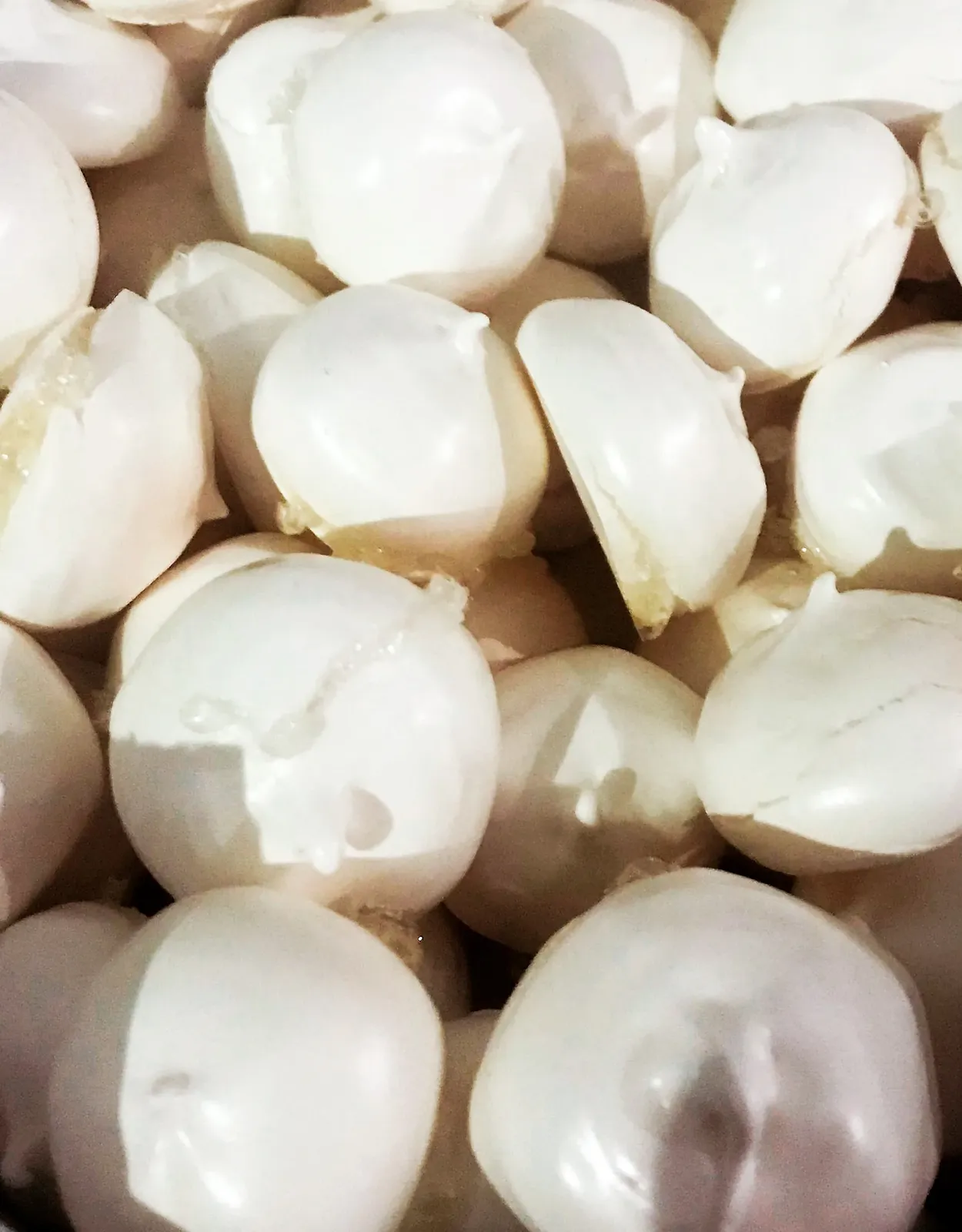
Whisked whites are the other half of what eggs do. Any trace of fat or yolk stops them whipping, so use a spotlessly clean bowl and separate carefully. Whisk to soft peaks that flop over, then add sugar gradually for meringue. Over-whisked whites look dry and grainy and will collapse when you fold them, and folding is the point: use a large metal spoon or spatula, cut down through the middle and lift, turning the bowl. You are trying to keep the air in, so fewer and larger movements beat many small ones.
If a meringue weeps or a soufflé sinks, it still tastes right. Serve it anyway.
Step by step
Step 1: Cook them lower than feels right
White sets at 62°C, yolk at 68°C. Almost every rubbery egg was cooked too fast rather than too long.
Step 2: Take them off early
Scrambled eggs keep cooking in the pan for another 20 seconds after the heat goes off. Pull them while they still look slightly loose.
Step 3: Poach fresh eggs in trembling water
A bare simmer, a splash of vinegar, cracked into a cup first and slid in gently. Three minutes for a set white and a runny yolk.
Step 4: Use gentle, even heat to set custards
Low oven or a bain-marie. Fast heat tightens the proteins and squeezes out liquid, which is what a grainy custard or a weeping quiche is.
Step 5: Whisk whites in a clean bowl, then fold gently
Any fat stops them whipping. Stop at soft peaks, and fold with a few large movements rather than many small ones to keep the air in.
Put it to work
Recipes that practise it
The fastest way to learn a technique is to cook something that needs it. These all do.

Stay in the loop
Get new recipes in your inbox
Occasional emails with new recipes, cooking tips and what’s new at Pinch of Mint.
See our Privacy Policy for information about how your personal data is used.