Before you start
Seasoning, and tasting as you go
Salt in layers while you cook, not in a panic at the end. And taste it, every time.
3 min read6 recipes practise it
The gap between food that is fine and food that is good is usually salt, and usually salt added at the wrong moment. Salt stirred into a finished dish sits on the surface of it. Salt added while things are cooking goes into them, which is a different result entirely, and the reason recipes here say to season at three or four separate points rather than once.
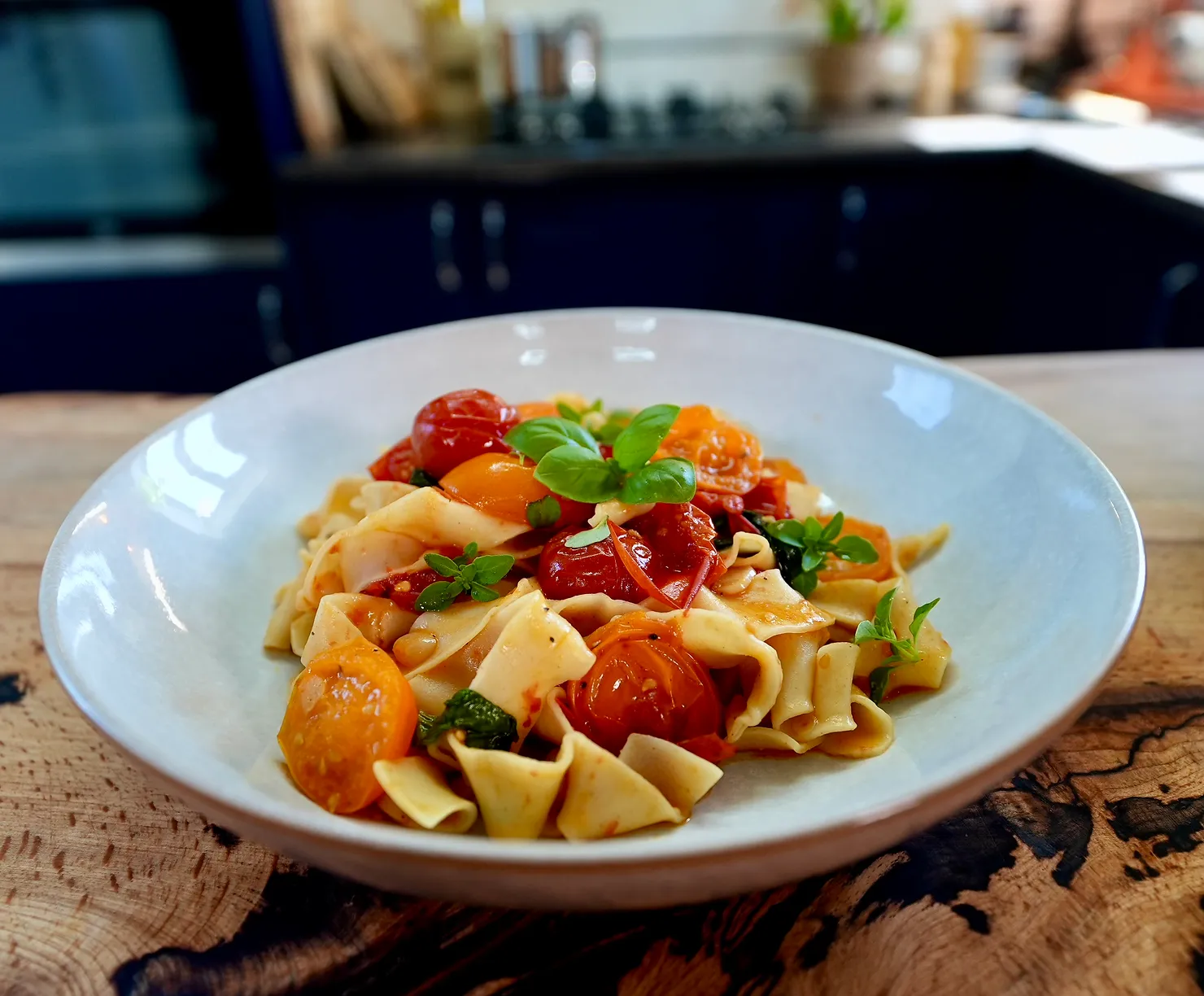
Think of it as layers. Season the onions as they soften and they release their water sooner and sweeten. Season the meat before it hits the pan and the surface dries slightly, which helps it brown. Season the sauce as it reduces, and taste again at the end, because reducing a liquid concentrates the salt already in it. Season pasta water properly and the pasta itself arrives seasoned, which nothing you do later can replicate.
Use flaky sea salt for finishing and fine salt for cooking, or use one salt for everything if that is what you have. What matters is knowing which you are using, because a teaspoon of fine salt is roughly twice as salty as a teaspoon of flakes. If a recipe here feels under-seasoned to you, the salt in your cupboard is probably coarser than the salt in ours. Trust your tongue over the number.
Taste at every stage where you can do so safely. This sounds obvious and almost nobody does it. Keep a teaspoon by the hob and use it: after the aromatics soften, after the liquid goes in, after it has reduced, and immediately before serving. You are asking one question, which is what does this need. Nine times out of ten the answer is salt. When it is not, it is usually acid.
Acid is the other half of seasoning. A dish that tastes flat, heavy or a bit dull, and does not improve with more salt, almost always wants a squeeze of lemon or a splash of vinegar. Rich things need it most: creamy sauces, braises, anything with a lot of butter or cheese. Add a little, stir, taste again. You are not trying to make it taste sour, only to stop it tasting like one flat note.
Pepper is not salt's twin and does not have to go in at the same time. Ground black pepper loses its aroma within minutes of hitting heat, so for anything where you want to taste the pepper itself, grind it over at the end.
One rule holds throughout: you can always add, you can never take away. Season in small amounts and taste between them. If you do oversalt something, more liquid, more starch or more unsalted bulk will dilute it. Potato does not magically absorb salt, whatever you have been told, but another tin of tomatoes genuinely does spread it thinner.
When you are cooking for other people, season the food to taste good to you and put salt on the table. Their tongues are not yours, and a dish that is correctly seasoned for the cook is a better starting point than one seasoned for nobody in particular.
Step by step
Step 1: Season at every stage, not at the end
Aromatics as they soften, meat before it hits the pan, the sauce as it reduces. Each layer seasons the thing itself rather than its surface.
Step 2: Salt the water properly
For pasta, potatoes and green vegetables, the cooking water is the only chance the food itself gets seasoned. It should taste noticeably salty.
Step 3: Keep a teaspoon by the hob
Taste after the aromatics, after the liquid, after it reduces, and before it goes to the table. Ask one question: what does this need?
Step 4: If salt does not fix it, reach for acid
Flat, heavy or dull usually means a squeeze of lemon or a splash of vinegar rather than more salt. Rich dishes need it most.
Step 5: Add in small amounts
You can always add more and you can never take it out. If you do overdo it, more liquid or more unsalted bulk will spread it thinner.
Put it to work
Recipes that practise it
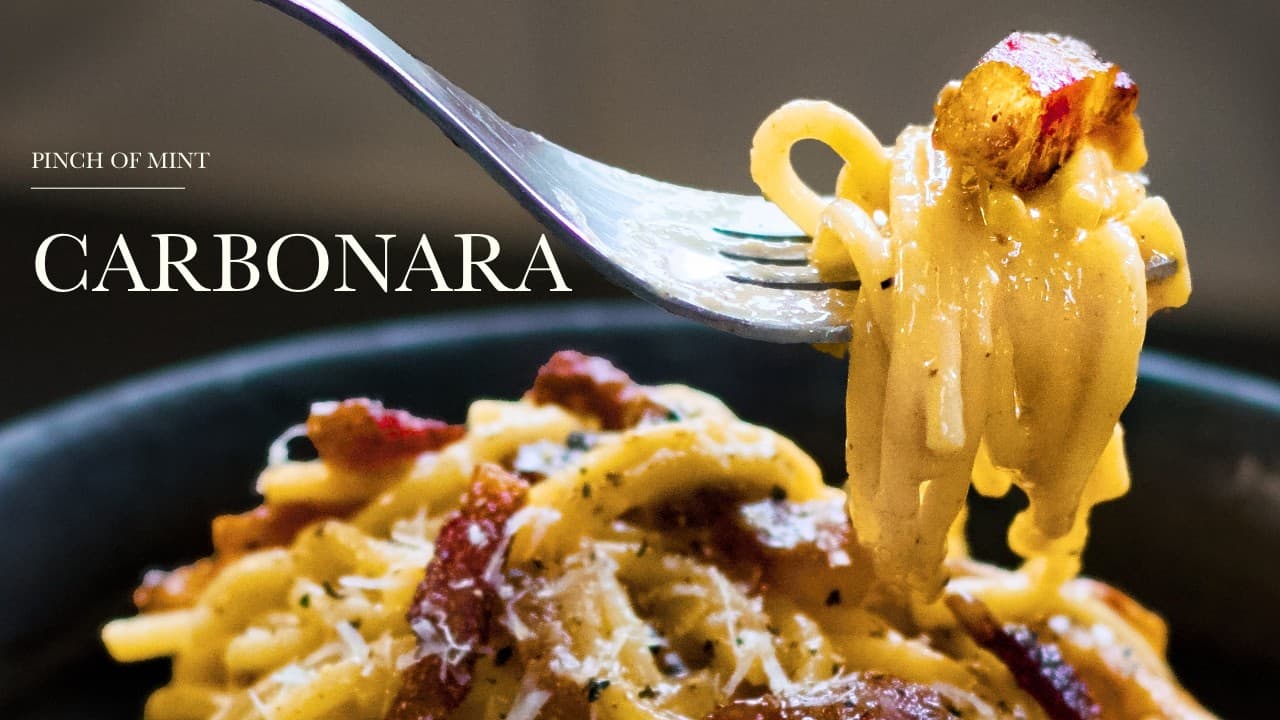
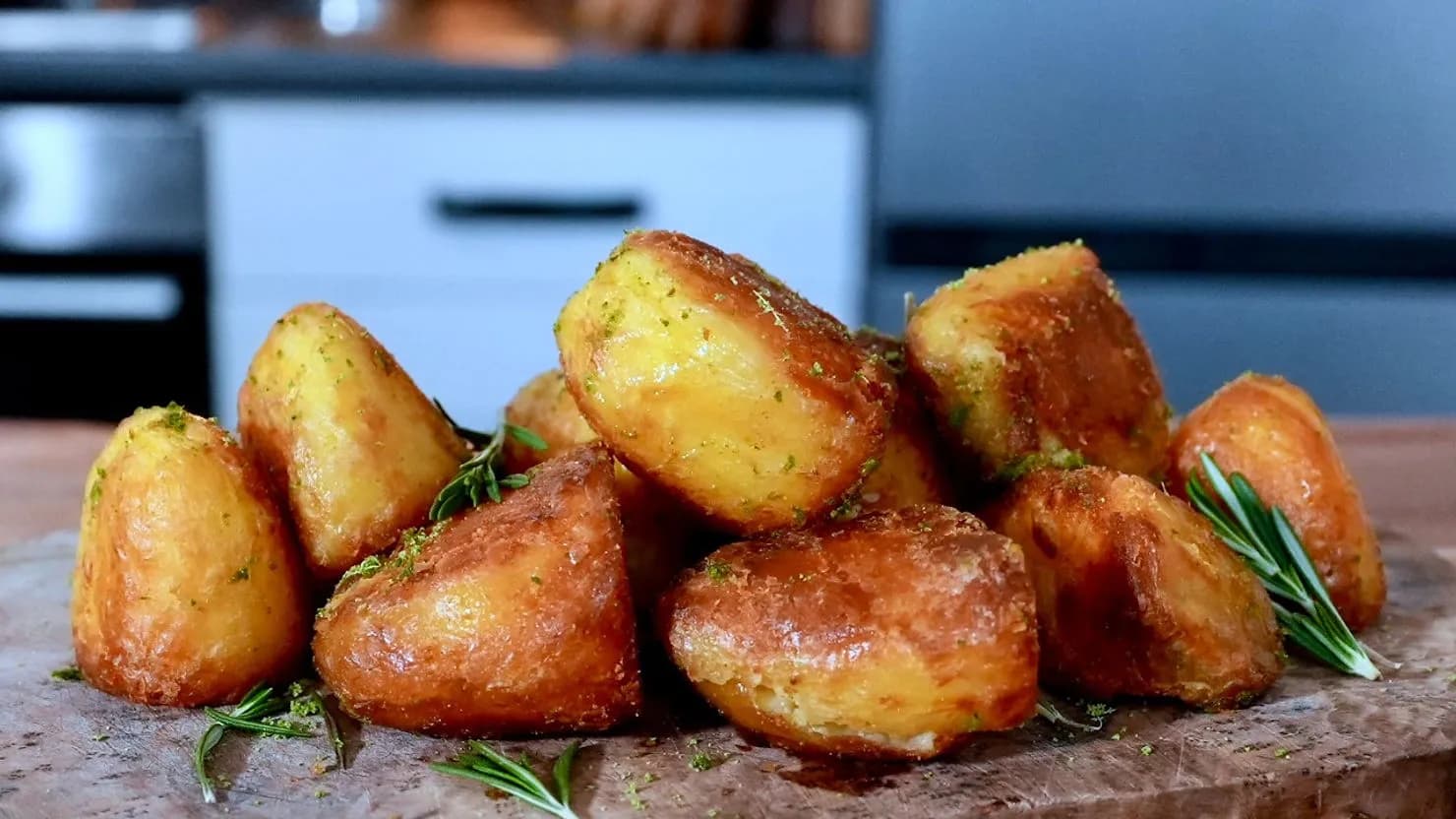
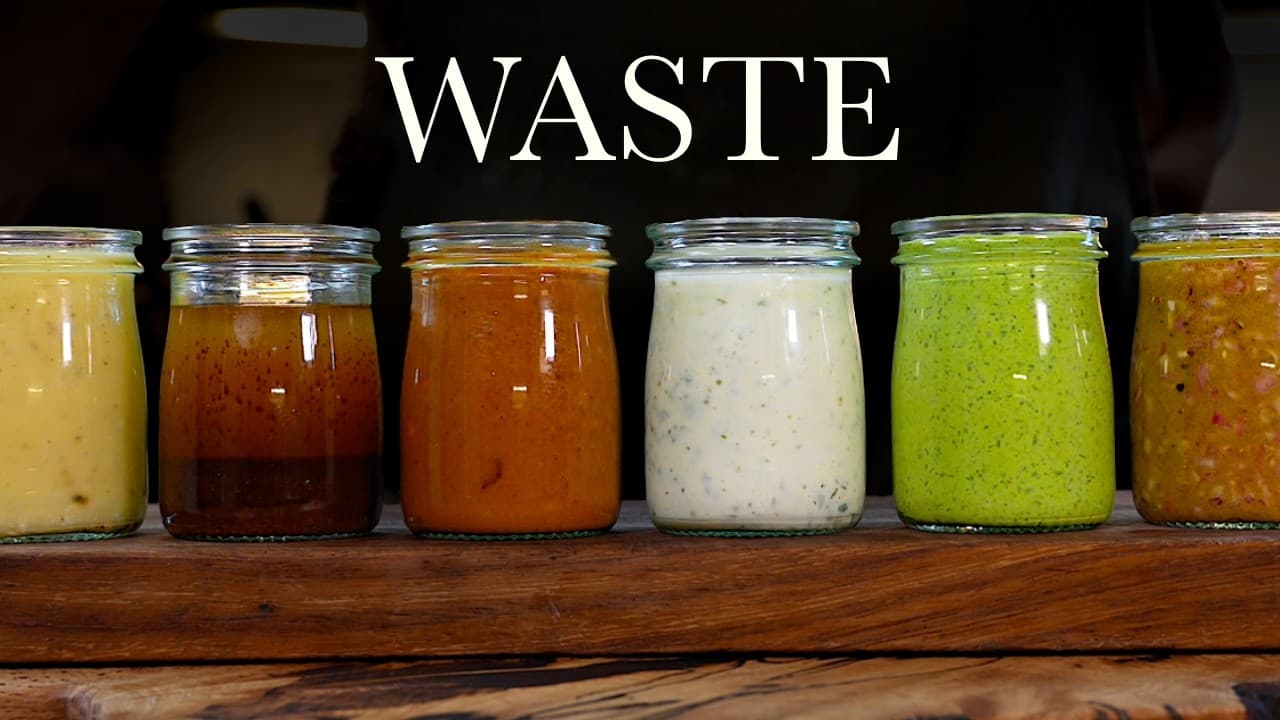
The fastest way to learn a technique is to cook something that needs it. These all do.
Stay in the loop
Get new recipes in your inbox
Occasional emails with new recipes, cooking tips and what’s new at Pinch of Mint.
See our Privacy Policy for information about how your personal data is used.