Heat
Shallow and deep frying
The right oil at the right temperature, and enough space in the pan. Crisp is a temperature, not a technique.
3 min read6 recipes practise it
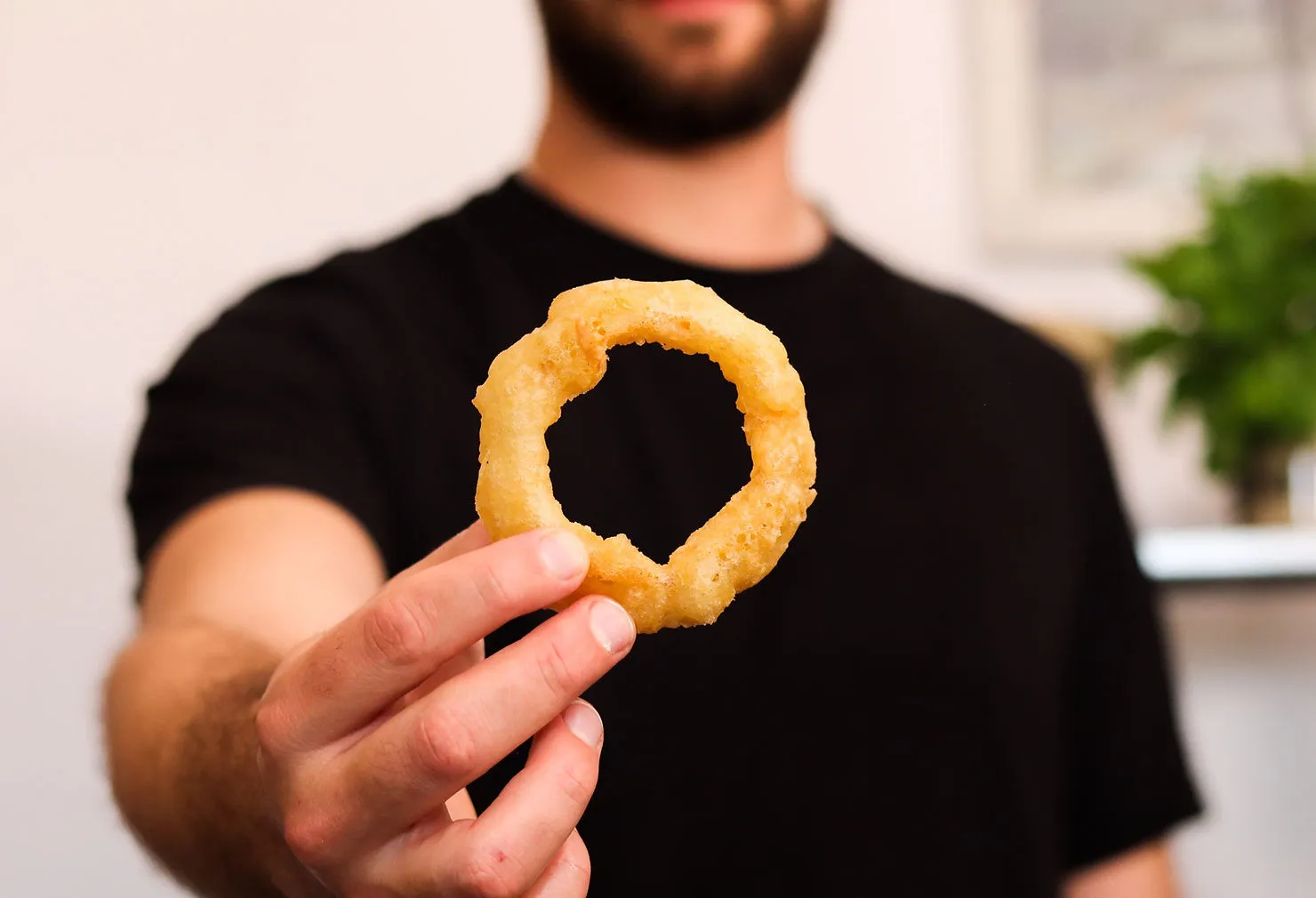
Fried food is either light and crisp or heavy and greasy, and the difference is almost entirely temperature. Hot enough oil turns the moisture at the surface of the food to steam, and that steam pushing outwards is what stops oil soaking in. Oil that is too cool cannot make steam fast enough, so it seeps in instead, and you get the greasy result everyone associates with frying at home.
For most things the number is 175°C to 180°C. A thermometer is the reliable way to know. Without one, drop in a cube of bread: at the right temperature it browns in about 60 seconds. If it darkens in 20, the oil is too hot and the outside will colour long before the inside cooks.
Use an oil that can take the heat. Sunflower, vegetable, groundnut and rapeseed are all fine. Extra virgin olive oil and butter are not, because they burn well below frying temperature.
Deep frying at home does not need a deep-fat fryer. A wide, heavy pan filled no more than a third of the way is safer and easier to control, because a third full leaves room for the surge when food goes in. Never fill it further, never leave it unattended, and keep a lid within reach. If oil ever catches fire, turn off the heat and cover the pan. Water makes it worse, dramatically.
Fry in small batches. Every piece of cold food you add drops the oil temperature, and a full pan can pull it down by 30°C or more, straight into the range where things go greasy. Let the oil come back up between batches. This is the most common mistake and the easiest to avoid.
Batters and coatings do two jobs: they protect what is underneath and they give you something to crisp. A flour, egg and breadcrumb coating wants to be applied in that order with a dry hand and a wet hand, or you end up breading your fingers. A wet batter wants to be mixed at the last minute and left slightly lumpy, because overworking develops gluten and gives you a tough shell. Cold liquid and a little cornflour both help keep a batter light.
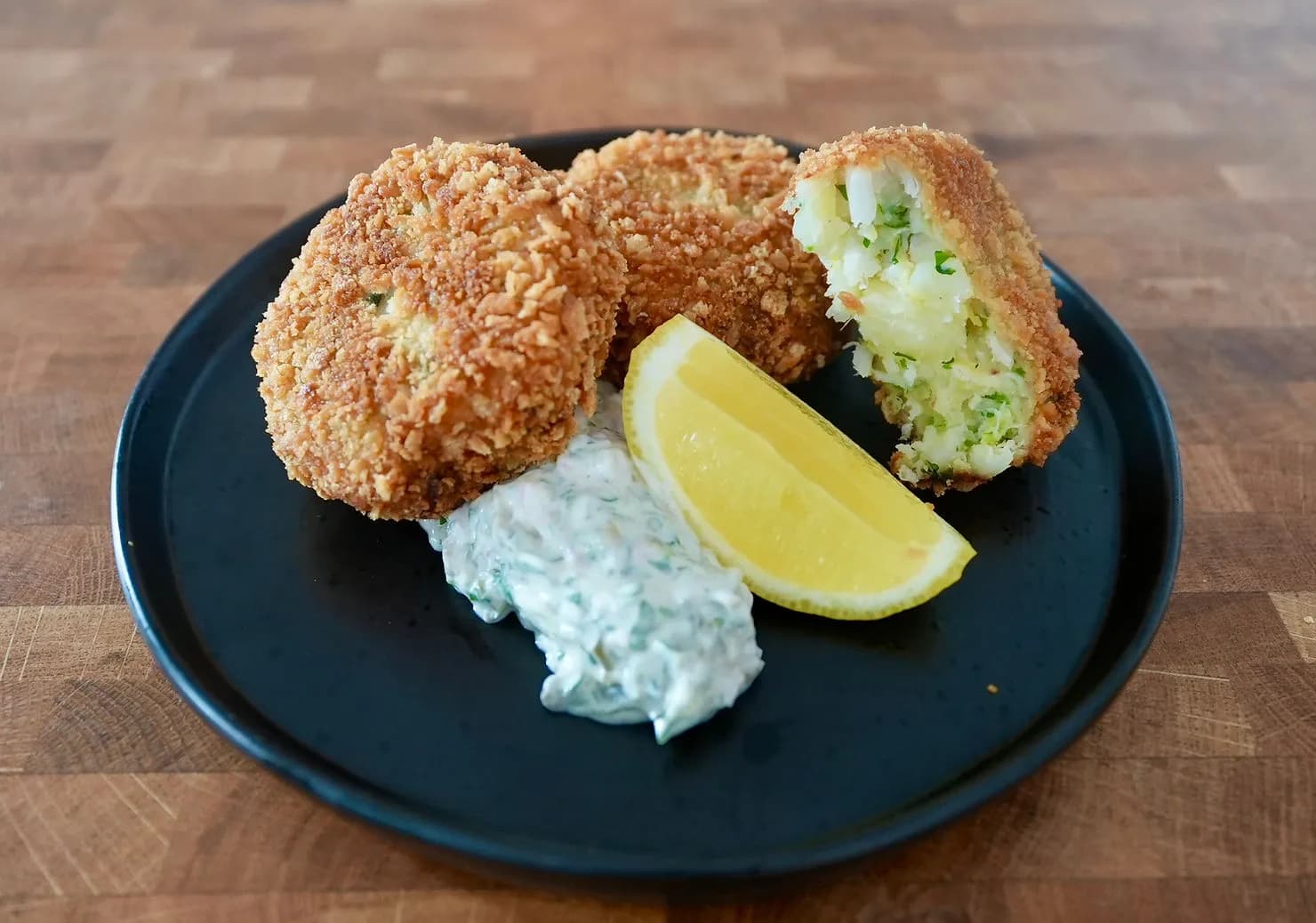
Shallow frying follows the same rules with less oil, usually 1cm or so. It suits things you can turn, like fritters, fishcakes and cutlets. Get the oil hot before anything goes in, lay food away from you so any splash goes away from your hand, and turn once rather than fiddling.
Drain on a wire rack rather than kitchen paper if you have one. Paper traps steam under the food and the base goes soft within a minute. Season the moment it comes out, while the surface is still hot and slightly oily, because salt will not stick once it cools.
When the oil has cooled completely you can strain it through a sieve lined with kitchen paper and use it two or three more times for the same kind of food. Once it smells strong, foams or darkens noticeably, it is finished. Let it cool, pour it back into a bottle and put it in the bin or take it to a recycling point, never down the sink.
Step by step
Step 1: Choose the oil and the pan
Sunflower, vegetable, groundnut or rapeseed, in a wide heavy pan filled no more than a third of the way up.
Step 2: Get to 175°C to 180°C
Use a thermometer, or drop in a cube of bread, which should turn golden in about 60 seconds. Too cool means greasy, too hot means raw in the middle.
Step 3: Fry in small batches
Cold food drops the temperature fast. Let the oil come back up before the next batch rather than filling the pan and hoping.
Step 4: Drain on a rack and season straight away
Kitchen paper traps steam and softens the base. Salt sticks while the surface is hot; it will not once it cools.
Step 5: Deal with the oil safely
Never leave the pan unattended and keep a lid nearby. If it catches fire, turn off the heat and cover it. Cool the oil fully before straining or binning it.
Put it to work
Recipes that practise it
The fastest way to learn a technique is to cook something that needs it. These all do.

Stay in the loop
Get new recipes in your inbox
Occasional emails with new recipes, cooking tips and what’s new at Pinch of Mint.
See our Privacy Policy for information about how your personal data is used.